



Looking for something specific?
At 9M India Limited, trust through quality, transparency, performance.
 18th May 2026

The concept of ‘globalisation’ has greatly expanded itself. Countries do export and import business with other countries for maintaining trustworthy and dependable relationships and also building a stable financial system. Due to this ongoing interconnectivity, almost nothing seems “out of reach”. From electronic gadgets to beauty essentials, it has been incredibly easy to access products and services that are manufactured in a foreign market, including pharmaceutical solutions. In this era of an interconnected world, the pharmaceutical manufacturing industry, or healthcare industry, is not multiple; it has turned into one single market. It moves across countries with an aim to make healthcare accessible in every corner while keeping up with the growing set of operational and regulatory challenges that manufacturers continuously navigate through.
While there’s a global expansion of pharmaceutical manufacturing industries that creates better opportunities, vast options and accessibility, it also brings out one of the biggest responsibilities: maintaining compliance around evolving regulatory guidelines.
In healthcare, maintaining regulatory compliance is not just another step in the pharmaceutical manufacturing process, but it’s a mandatory responsibility in ensuring patient safety, product consistency and public trust.

There’s a common structured manufacturing procedure that is used by pharmaceutical manufacturing companies in other countries as well. However, companies in different countries might or might not have different approval systems, packaging requirements, testing expectations and documentation standards. A particular product approved to deliver in one healthcare market might not be approved in another. There are several reasons for that issue to occur; for instance, the formulation might require additional documentation or an extra quality check-in. This creates a challenging environment where the manufacturers have to be adaptable or flexible, but without compromising the quality or safety of the product.
The challenge goes beyond simply complying with regulations. It’s about keeping trust as well, in both domestic and international markets.
In the healthcare and pharmaceutical industry, even the smallest mistake can affect product quality, patient safety and reliability. One slight issue can cause a major setback that will be both time- and cost-consuming. Even if approved in one country, it might take longer to approve in another, keeping in mind the adaptability and risk factors.
This is the reason why pharmaceutical manufacturers are expected to follow strict quality systems and controlled manufacturing practices at every stage of manufacturing. One of the ways to ensure the high quality and efficiency of pharmaceutical products is the WHO-GMP certificate that is globally recognised and essential to establish trust in consumers, healthcare providers and industries. We’ll discuss more about WHO-GMP certification later in this blog.
Another major challenge is the management of global supply chains without affecting the quality of the product. Pharmaceutical products pass through many stages, from selection of raw material and verification, manufacturing process, safe packaging and storage, and timely delivery or final distribution before they reach the market. Every step needs to be closely monitored, as even small disturbances can affect the stability of the product.
As medical science and health care research have developed, the pharmaceutical industry has changed with time. Scientists and researchers around the world are continuously monitoring new viruses, studying the emergence of diseases, new treatments, and evolving healthcare demands. Every new medical discovery or breakthrough treatment or scientific finding is a way the pharmaceutical industry adapts and progresses.
The pharmaceutical industry must adapt as the healthcare area evolves. New research often results in updated formulations, improved manufacturing practices, enhanced safety measures and more strict regulatory expectations. At the same time, manufacturers need to ensure that medicines remain effective, safe and accessible to larger populations with diverse healthcare needs.
The pharmaceutical industry is constantly evolving to maintain a balance of safety and consistency whilst responding to the changing needs of global health care.
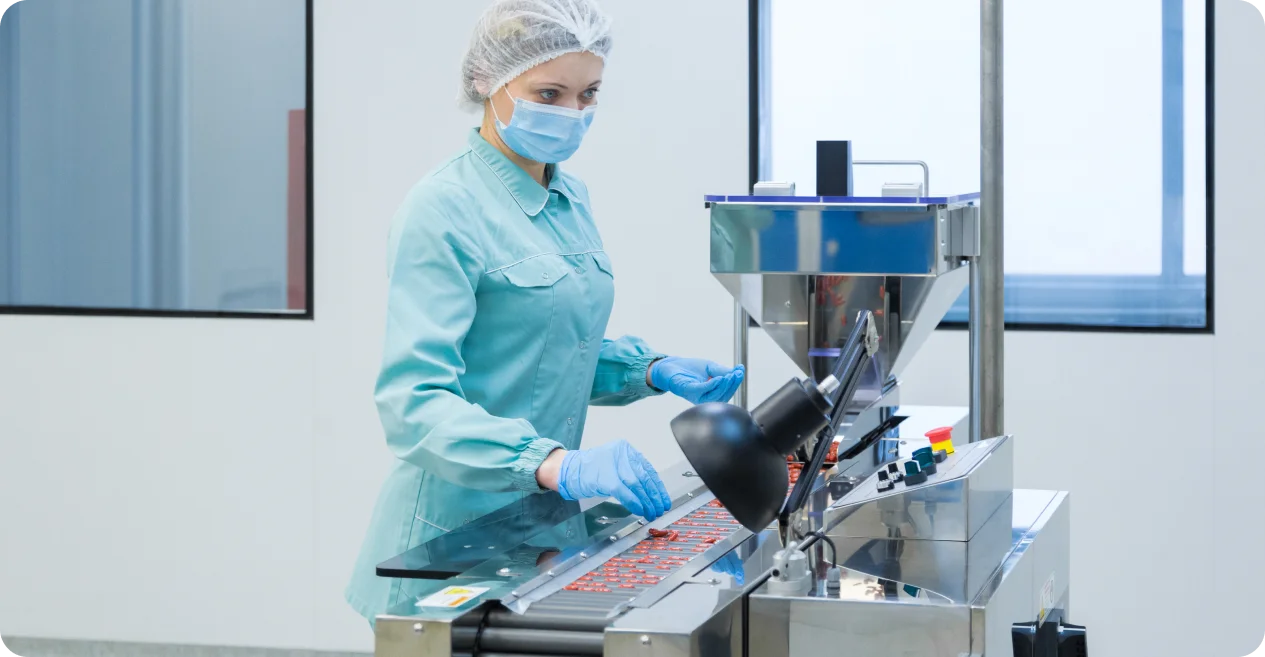
Quality control and quality assurance are still a top priority in pharmaceutical manufacturing. Before being allowed onto the market, pharma solutions are subjected to a number of quality checks to ensure they are safe, effective and stable for the majority. Manufacturers are expected to have detailed documentation, testing procedures and validation systems in place to support compliance with internationally recognised healthcare and manufacturing standards.
Documentation has become a crucial part of the pharmaceutical operations over a period of time. Transparency, accountability and traceability are necessary and must be carefully recorded at every stage of manufacturing across the process. In today’s time, regulatory authorities expect manufacturers to deliver not only quality products, but also consistency across every pharmaceutical manufacturing process, system and operational practice involved.
Moreover, internationally accepted standards such as WHO-GMP have also become very important in ensuring manufacturing discipline and consistency of operation. These globally recognised standards help to ensure controlled, safe and hygienic environments, systems and manufacturing practices that are quality-focused and meet international healthcare market expectations for manufacturers.
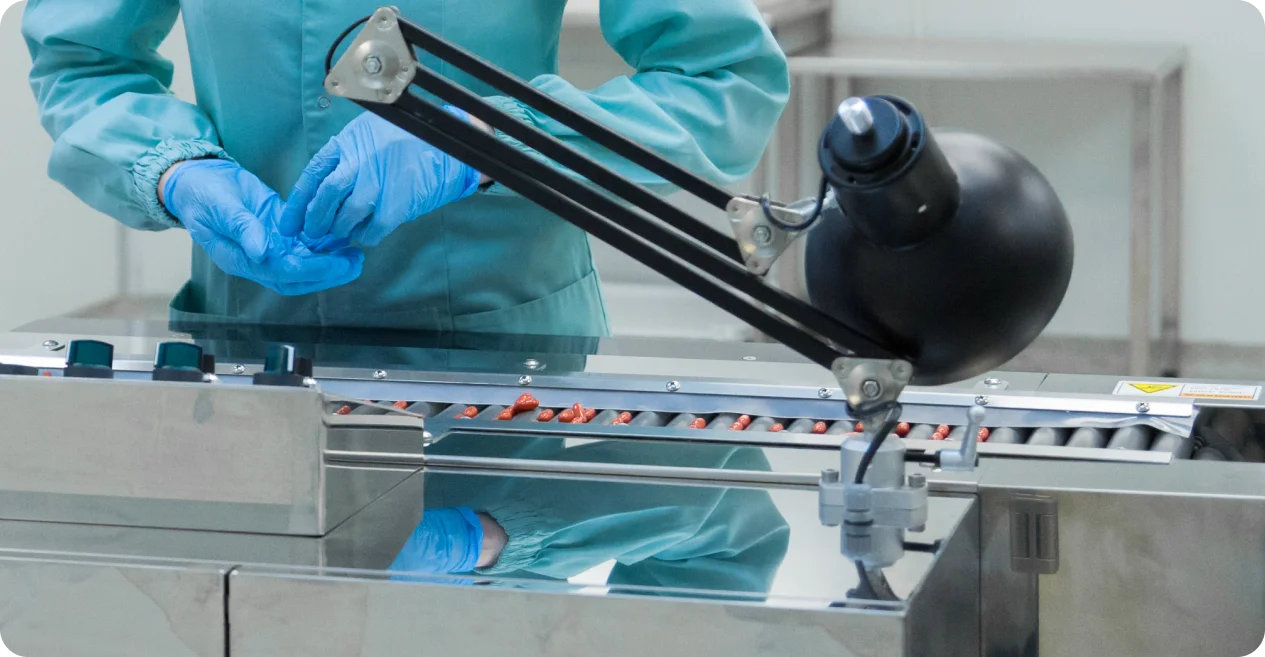
Technology is also playing an increasingly important role to help pharmaceutical manufacturers address global challenges more efficiently. Advanced technology along with automated systems, digital monitoring and modern quality management processes is helping to improve traceability, operational accuracy and compliance management across large-scale pharmaceutical manufacturing operations.

The basic responsibility of pharmaceutical manufacturing has not changed, despite advances in technology and manufacturing capabilities. All medicines are eventually taken by someone who trusts them to be safe, good quality and effective. This is why compliance, consistency and reliability are the core of the pharmaceutical industry.
With global pharmaceutical markets expanding, manufacturers must balance operational efficiency with long-term responsibility. It takes flexibility, accuracy and constant trials to keep the trust in healthcare because, in this industry, reliability is never optional.
Explore our latest articles featuring expert insights, trending topics, and practical knowledge to help you make
informed decisions and stay updated with industry developments.

At 9M India Limited, trust through quality, transparency, performance.