




Looking for something specific?
At 9M India Limited, trust through quality, transparency, performance.
 15th May 2026
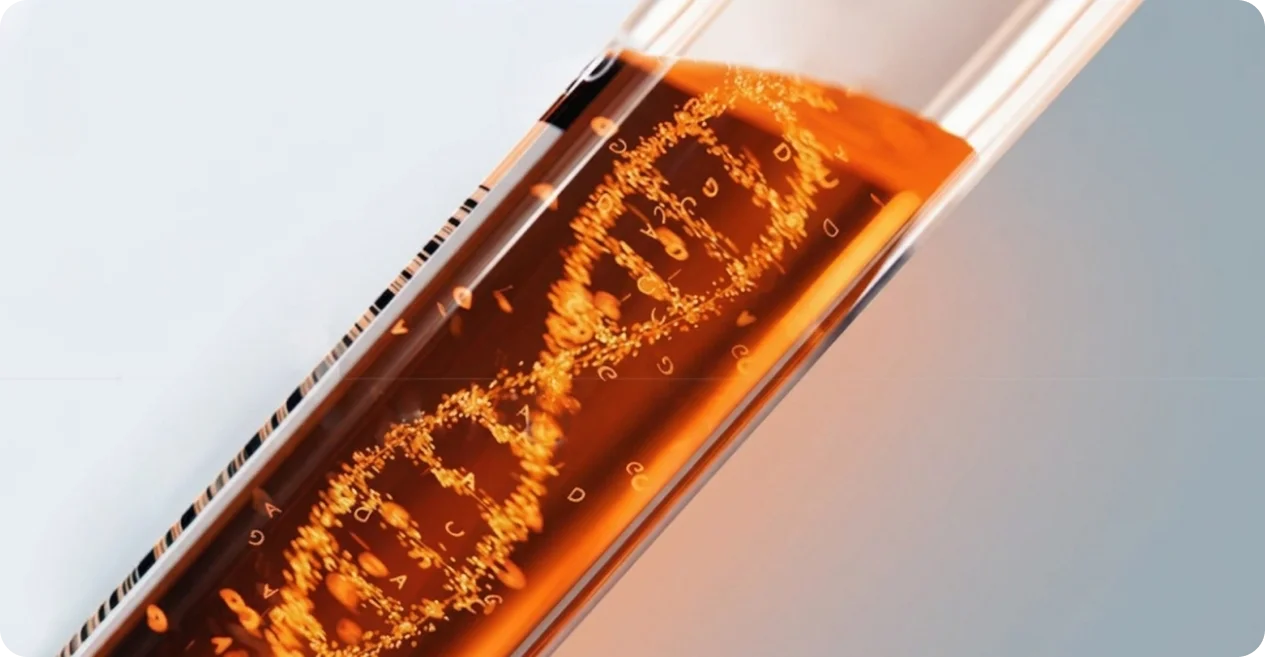
It might just be a casual day; you went to your nearest pharmaceutical store to get medicine for the common cold, but did you ever think about how many stages that single strip of a tablet went through to reach you? From selection of raw materials and analytical processes to delivering them to your local chemist, the pharmaceutical manufacturing industry never stops; in fact, it can’t afford to. It can be neither flexible nor lenient. What you get in your hand, for something as small as a common cold tablet strip, has passed through multiple medical quality control systems. What goes on behind the scenes is a long and highly regulated journey of pharmaceutical manufacturing.
Before any medicine or solutions reach the markets, government hospitals or private healthcare institutions, they have to go through multiple stages of research and verification, testing, manufacturing, quality check-ins, safe packaging and regulatory compliance. All these stages exist for a common reason, that is, to provide consistency, quality and safety in health care.
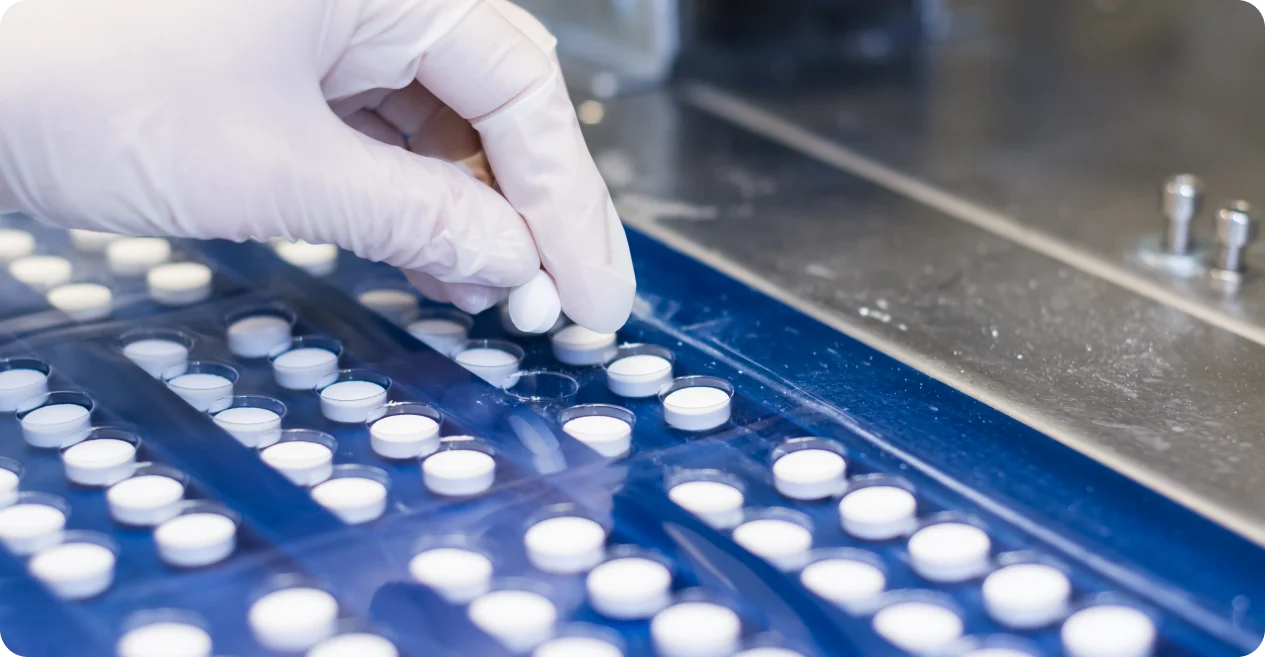
In healthcare, every formulation is made with precision. Before the medicine is manufactured, it is thoroughly studied and analysed. Prior to the execution stage, the team of scientists and pharmaceutical experts studies raw materials, chemicals and other relevant information, rigorously evaluating and verifying each one to ensure they are safe and compatible and they align with pharmaceutical standards along with regulatory requirements.
At this stage, any inconsistency can affect the quality of the final product, and this is why pharmaceutical manufacturing depends on controlled sourcing and thorough inspection protocols.
These analytical processes are carefully tested and documented, whether there are certain ingredients that don’t go with the others or something that is not recommended for certain people. For instance, a regular OTC solution for a common cold contains key ingredients like dextromethorphan and antihistamines, which are not recommended for children below the age of six. There are other medicines specifically for young children for the same purpose.
This research is essential for various health situations, especially when a patient has a specific condition or is allergic to a chemical. All the key details are required to be specified, but not for every potential situation. Only after thorough research are the raw materials approved for the stage of manufacturing. The goal is not just to ensure effectiveness but also consistency in how a medicine performs.
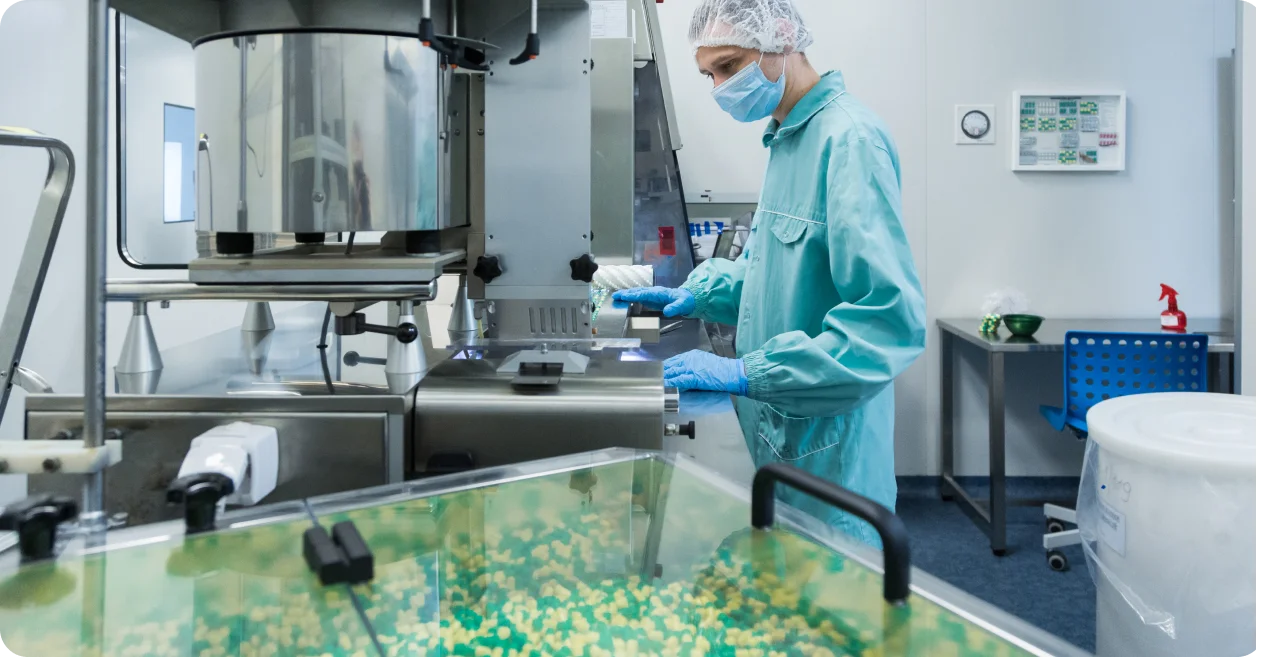
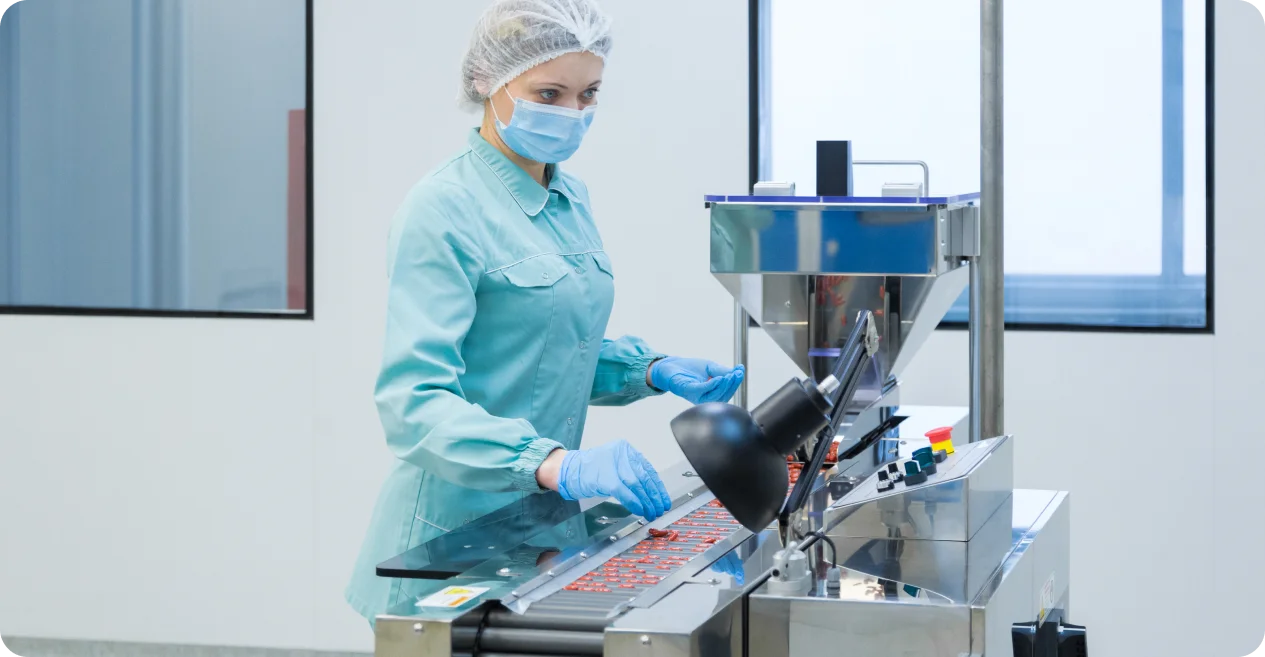
Once the raw materials and ingredients are approved by the research team, the manufacturing process takes place under controlled manufacturing environments that prioritise hygiene, precision and consistency.
Modern pharmaceutical manufacturing facilities are subject to strict protocols, often in line with WHO-GMP standards, where each process is closely monitored.
Controlled manufacturing environments control contamination, maintain product integrity and ensure consistency with every batch.
Modern pharmaceutical manufacturing is becoming more technology-driven with process monitoring and automated controls to help make operations more accurate and efficient.
At the execution stage, while manufacturing, the team must prioritise three key factors: quality, quantity, and compatibility. All three factors are equally important, as there is no room for leniency in either of them.
Each step, from measuring ingredients to blending, compression, filling and packaging, follows documented procedures to reduce variability and maintain product integrity. Even a minor lack in any of them might result in low effectiveness or even disapproval of the whole product. Disapproval of any product costs both time and money, as the manufacturing process has to take care of the inconsistent numbers required in a batch as well as re-evaluate the entire batch.
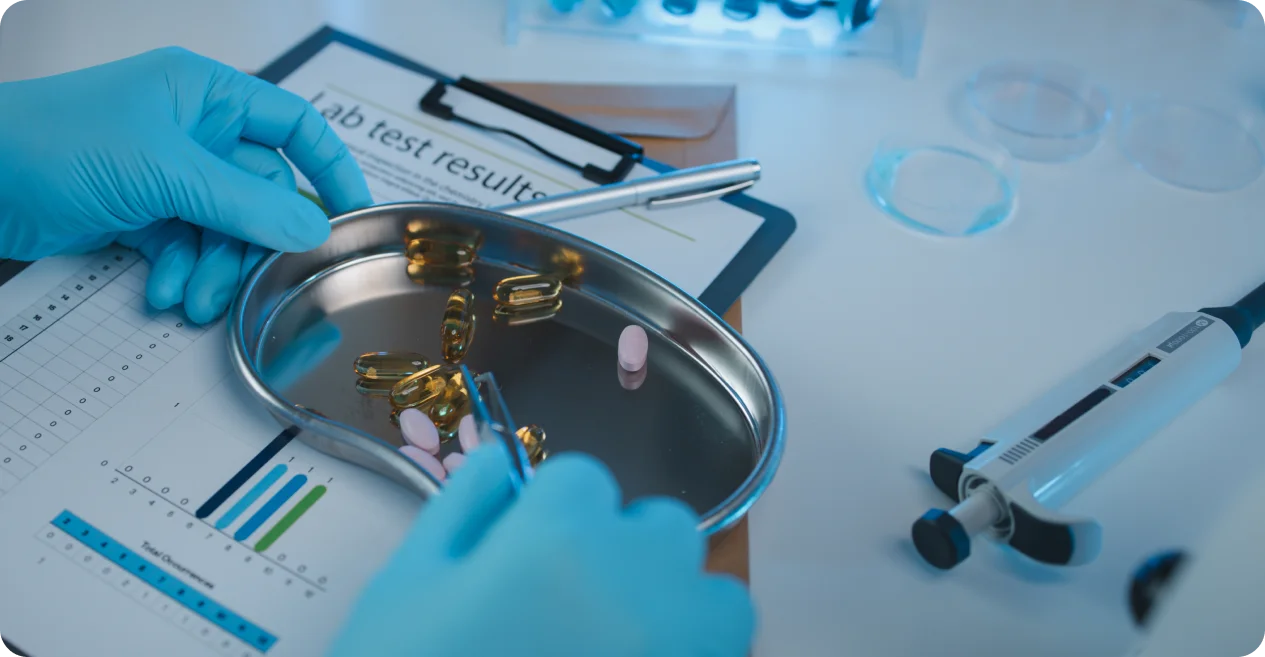
Quality control and assurance is the most essential and critical stage of pharmaceutical manufacturing. Pharmaceutical products undergo multiple strict quality check-ins and evaluations to ensure stability, efficacy and safety. The quality assurance system is designed to ensure that every product’s consistency meets regulatory compliance requirements and aligns with globally recognised manufacturing standards and the international healthcare market’s expectations.
Samples from manufacturing batches are tested by laboratory testing and analytical procedures. The parameters such as composition accuracy, dissolution, stability, purity and packaging integrity are analysed carefully.
Moreover, quality control is not just about catching defects and errors but also about making sure that every batch manufactured is consistent. Consistency in healthcare isn’t an additional demand; it’s a minimum baseline, as it is directly linked to reliability and patients’ safety.
Before the manufactured products are approved by the quality control department, they are required to successfully pass all required quality assurance procedures and compliance standards.
Pharmaceutical products have to meet standardised regulatory and documentation requirements before they can be dispatched to the domestic market, government hospitals or private healthcare institutions. Especially when manufacturers export the formulations, they must meet the evolving regulatory guidelines and international market standards.
Any good manufacturing company knows the value of its clients’ trust and that it comes from being reliable and transparent. We record every step of the manufacturing process for transparency, accountability, and compliance with healthcare standards.
Manufacturing processes, quality systems and compliance procedures are all reviewed by the regulatory authorities to make sure that products are aligned with established global guidelines.
Compliance in pharmaceutical manufacturing is not just about the final product. It, in fact, is the backbone that proves the reliability of the products; it covers production, testing, storage, packaging and distribution systems.
Documentation and audit readiness are crucial steps of pharmaceutical manufacturing because regulatory compliance ultimately supports patient safety and maintains trust.
Is product packaging for pharmaceutical solutions just about presentation and a striking visual design? No, it is beyond that. Pharmaceutical product packaging is another crucial part of the manufacturing process, as it is required to protect medicines from environmental exposure, contamination, moisture, any physical damage and so on, while making sure that the batches are delivered and stored perfectly.
Packaging plays a huge role for common individuals, who would not know much about medical terminology. The packaging needs to be credible and easy to comprehend.
Packaging also ensures that products carry accurate labelling, dosage instructions, manufacturing details, batch information and traceability data. Traceability is critical in pharmaceutical manufacturing, as every product has to be traceable and accountable throughout the supply chain.
Furthermore, proper packaging is also crucial, as it helps to maintain product stability and shelf life throughout its lifecycle.
All of these stages in pharmaceutical manufacturing work within a structured framework with precision and control to manufacture the finalised medicine that makes it to market. Each product is backed by extensive research, monitored manufacturing, systems, quality assurance measures and regulatory oversight to ensure safety and consistency.
Pharmaceutical manufacturing in healthcare is responsible for much more than just manufacturing. Eventually, every medicine will find its way to someone who needs it. Thus, reliability, compliance, and quality remain central to the entire manufacturing process.
Medicines have systems in place to protect trust, maintain standards and ensure safe healthcare outcomes before they reach the market.
Explore our latest articles featuring expert insights, trending topics, and practical knowledge to help you make
informed decisions and stay updated with industry developments.

At 9M India Limited, trust through quality, transparency, performance.