

Looking for something specific?
At 9M India Limited, trust through quality, transparency, performance.
 27th Jul 2026
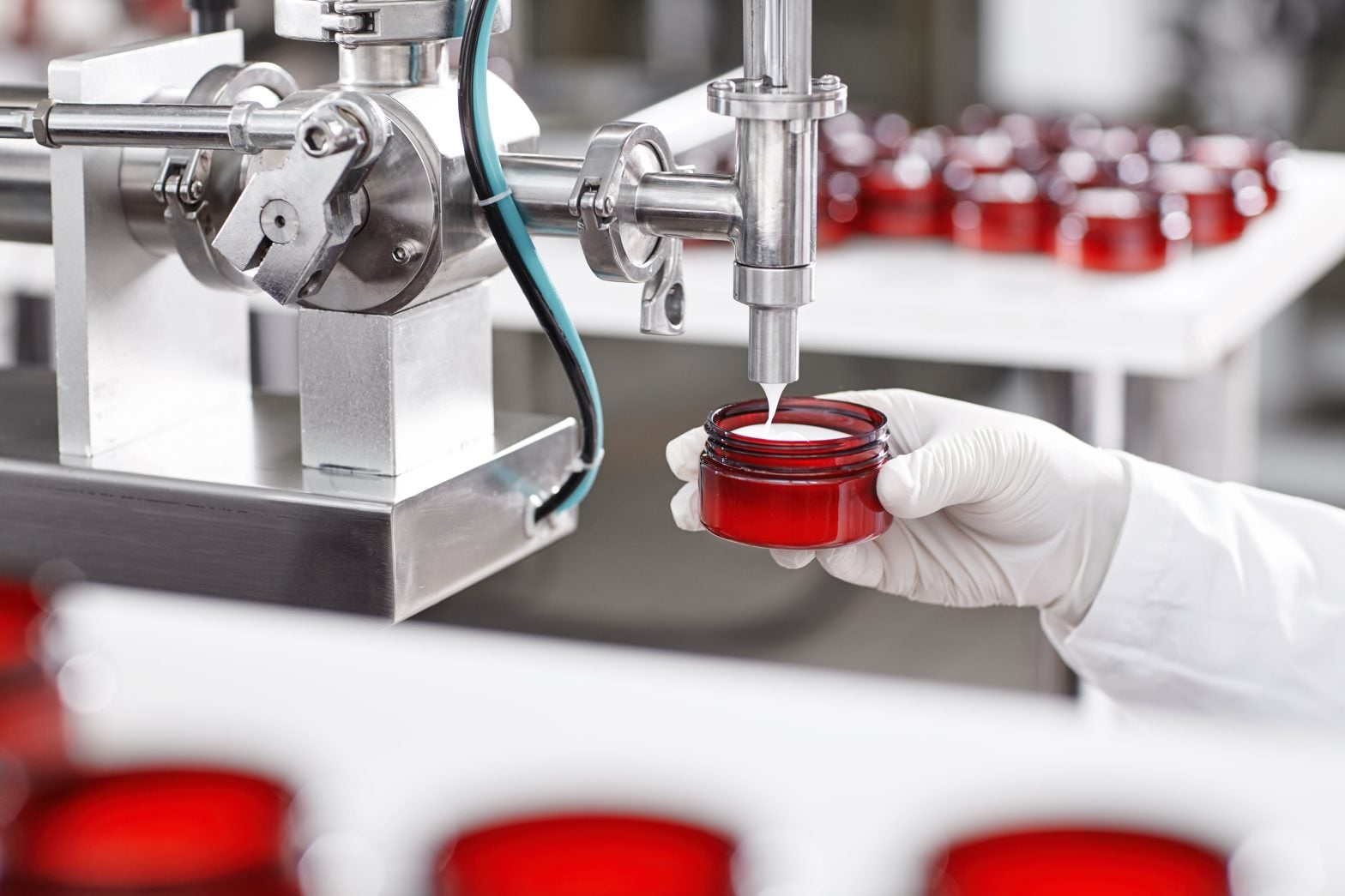
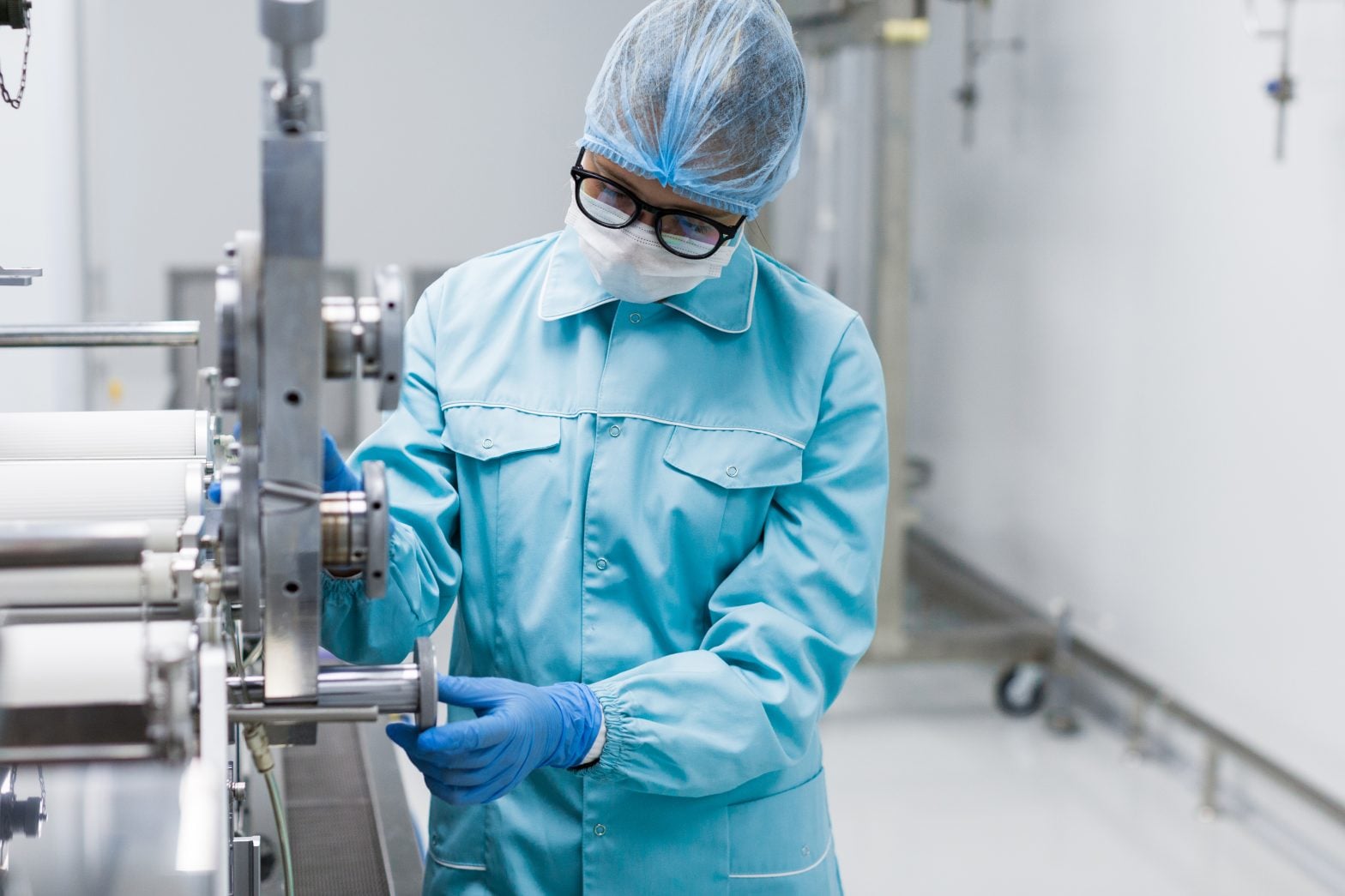
A tablet looks simple, small, uniform disc you swallow with water. But getting from raw active pharmaceutical ingredient (API) powder to that finished tablet involves five distinct manufacturing stages, each with its own quality checkpoints. Understanding this process helps pharma brands, distributors, and procurement teams ask the right questions when evaluating a manufacturing partner.
This guide walks through how tablets are actually made the science behind each stage, and why skipping steps or cutting corners shows up later as dissolution failures, friability issues, or stability complaints.
Before any powder is mixed, a formulation team studies the API’s physical and chemical properties solubility, particle size, moisture sensitivity, and compatibility with excipients (binders, fillers, disintegrants). This stage decides which manufacturing route the tablet will follow: wet granulation, dry granulation, or direct compression.
Getting this decision wrong is the single biggest cause of tablet manufacturing failures downstream, a moisture-sensitive API run through wet granulation, for example, can degrade before it ever reaches compression.
Raw powders don’t compress well on their own; they’re prone to segregation and poor flow. Granulation binds fine powder particles into larger, more uniform granules that compress consistently.
Wet granulation uses a liquid binder (often in a high-shear mixer) to bind powders together, followed by drying. It works well for formulations that can tolerate moisture and heat, and generally produces strong, well-bound tablets.
Dry granulation (roller compaction) compresses powder into a solid sheet or “ribbon” without any liquid, then mills it into granules. This route is essential for moisture- or heat-sensitive APIs.
Fluid bed granulation suspends powder in a stream of air while spraying binder solution, giving excellent flow properties and more uniform dissolution — often preferred for modified-release formulations.
Each method changes tablet dissolution behavior, so the choice isn’t cosmetic it directly affects how a drug performs in the body.
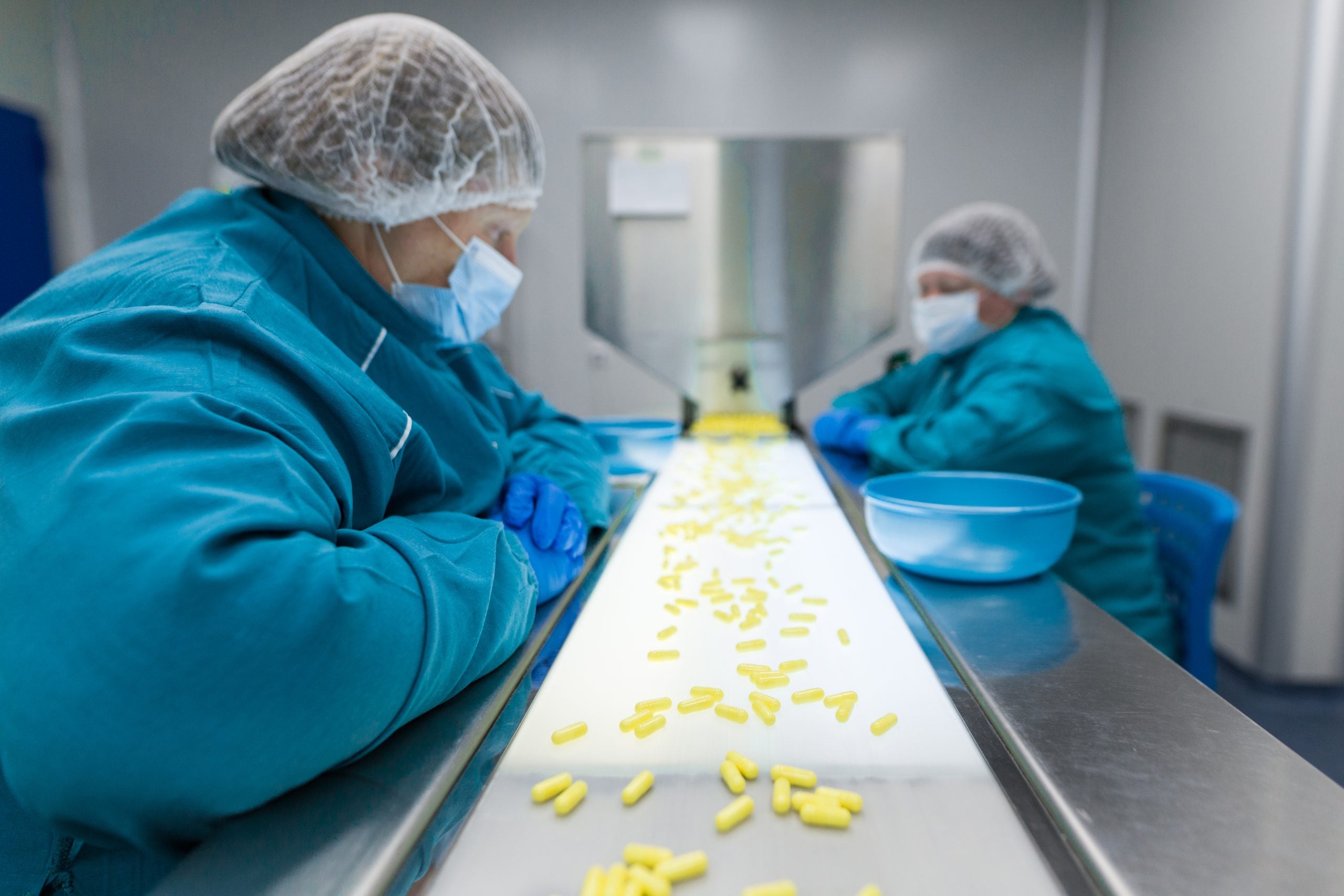
Granules move to a rotary tablet press, where multiple punches and dies compress the material into tablets at high speed — often tens of thousands of tablets per hour on commercial-scale presses.
During compression, in-process quality checks run continuously:
Manufacturers sample tablets at defined intervals throughout the compression run, not just at the start and end, to catch drift before an entire batch is affected.
Not every tablet is coated for the same reason, and this is where a lot of confusion exists among buyers:
Coating is applied in perforated coating pans under controlled temperature, airflow, and spray rate small deviations here can change the entire release profile of the drug.
Before any batch is packed, it goes through in-house analytical testing:
A Certificate of Analysis (COA) is only issued once every parameter passes specification — this is the document that should accompany every batch a buyer receives.
Manufacturing quality can still be undermined by poor packaging. Common formats include:
Stability studies (conducted under ICH-aligned conditions across different climate zones) determine which packaging format a given formulation actually needs — this shouldn’t be a cost-driven decision made after the fact.
Every stage above is a point where quality can be built in — or lost. When evaluating a tablet manufacturing partner, it’s worth asking specifically:
If you’re evaluating manufacturing partners in India for WHO-GMP certified tablet production across these formats, you can review 9M India’s tablet manufacturing capabilities — including granulation technologies, coating types, and packaging formats covered in this guide.
What is the difference between wet and dry granulation? Wet granulation uses a liquid binder and drying step, suited to moisture-tolerant formulations. Dry granulation (roller compaction) uses pressure alone, making it suitable for moisture- or heat-sensitive APIs.
Why are some tablets enteric-coated? Enteric coating protects acid-labile drugs from stomach acid or protects the stomach lining from irritating drugs, releasing the dose only once it reaches the intestine.
What tests are done before a tablet batch is released? Standard release testing includes dissolution, disintegration, hardness, friability, weight variation, assay, and content uniformity, with results documented in a Certificate of Analysis.
How long does the tablet manufacturing process take? Depending on formulation complexity, granulation method, and stability requirements, the process from raw material to packed batch typically takes several days to a few weeks, excluding release testing turnaround.
Explore our latest articles featuring expert insights, trending topics, and practical knowledge to help you make
informed decisions and stay updated with industry developments.

At 9M India Limited, trust through quality, transparency, performance.